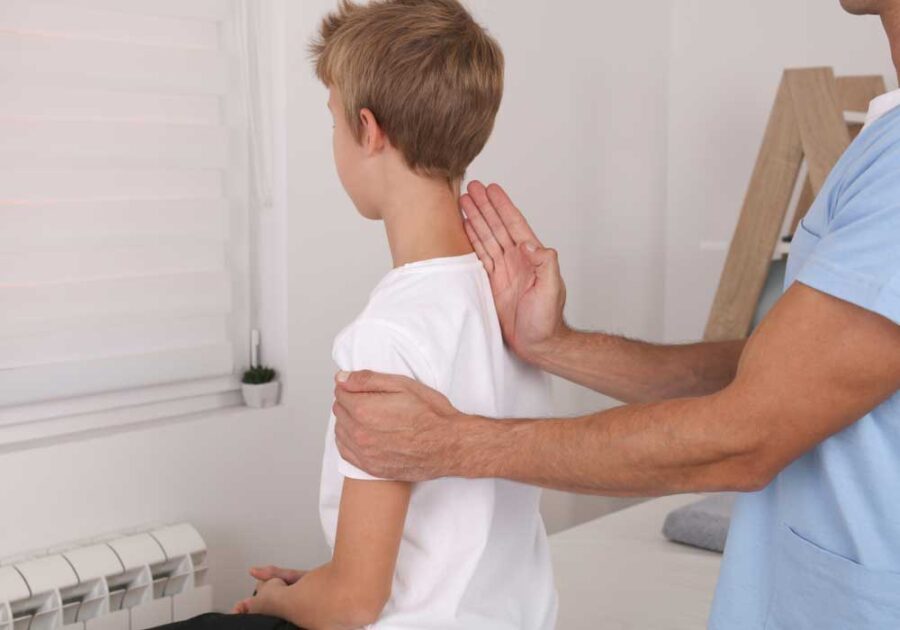
The Foundations of a Healthy Posture Begin in Childhood
Have you ever noticed some children seem to hunch their shoulders forward or sit poorly at their desks? What might seem harmless today could cause more complex problems in the future. Poor posture from childhood can develop into imbalances, pain, or worse, chronic disorders in adulthood.
In this article, we will explain why it is essential to have your child’s posture assessed from an early age. We will explore the early signs of poor posture, how chiropractors can play a key role in postural development, and the many long-term benefits a balanced posture can offer.
Why Assess Posture in Children?
An early postural assessment is much more than a simple examination—it is an investment in your child’s future health.
The Impact of Poor Posture on Health
Posture directly affects the spine, the entire body, and even quality of life. If left uncorrected, an unbalanced posture can cause:
- Back, shoulder, and knee pain: Body misalignment can generate unnecessary muscle tensions from childhood.
- Increased risk of chronic problems: Poor posture during growth is a contributing factor to lower back or neck pain in adulthood.
- Impaired motor functions: Postural imbalances can limit natural movements and affect walking and other physical activities.
Everyday Habits That Influence Posture
Our modern lifestyles expose children to habits harmful to their posture. Here are some examples:
- Prolonged sitting posture: Whether at school or at home in front of a screen, incorrect sitting puts pressure on the spine.
- Carrying heavy bags: Poorly balanced or overly heavy backpacks disrupt shoulder and back positioning.
- Use of mobile devices: Looking down for too long overloads neck and nape muscles.
A postural assessment can identify these problems early to prevent long-term complications.
Warning Signs of Poor Posture in Children
Pain in the Iliopsoas Area – A Key Zone Not to Neglect
How can you tell if your child does not have optimal posture? Poor posture can significantly impact your child’s growth and well-being. Here are some signals that should alert you and deserve your attention:
- Misaligned shoulders: If one shoulder seems lower than the other, this may be a sign of postural imbalance. This misalignment can indicate excessive muscle tension or a spinal issue.
- Unexplained pain: If your child frequently complains of back, knee, or neck pain, this is not normal in healthy young children. Such pain might signal improper posture or an underlying structural problem.
- Limited or unbalanced movements: Observe if your child struggles to walk smoothly, often trips, or seems uncomfortable during sports. This may reflect muscle or joint imbalance.
These symptoms, even subtle, can be linked to anomalies such as mild spinal deformities like scoliosis or biomechanical imbalances that often go unnoticed. Early diagnosis is essential to prevent worsening over time. Specialized chiropractors using child-appropriate techniques can detect and treat these anomalies as soon as they appear, thus providing your child with better alignment and lasting well-being.
The Impact of the School Environment on Posture
The Importance of the School Environment in Children’s Posture
The school environment plays a crucial role in children’s postural development. Poorly adapted furniture, such as chairs or desks not suited to their size, can cause muscle tension and promote poor posture. Moreover, long periods seated, often at a desk, put pressure on the spine which can lead to long-term postural imbalances.
Improving Ergonomics in Educational Spaces
To limit these negative impacts, several solutions can be implemented:
- Use adjustable furniture suited to children’s body proportions.
- Encourage regular breaks to allow students to move and stretch.
- Integrate postural education with demonstrations of correct sitting positions.
The Essential Role of Teachers and Parents in Prevention
Teachers and parents play a central role in teaching good postural habits to children. Here are some key actions:
- Encourage children to vary their sitting positions to avoid postural monotony.
- Teach them to maintain an upright posture while staying relaxed without excessive tension.
- Promote regular physical activities to strengthen muscles and support healthy posture.
The Importance of the Chiropractor in Postural Development
A chiropractor plays a major role in screening and preventing postural imbalances in toddlers.
A Child-Adapted Approach
In addition to assessment, chiropractors offer:
- Educational strategies to help parents correct harmful postural habits.
- Practical advice on ergonomics (such as adjusting the desk or carrying a backpack properly).
- Simple exercises that children can do at home to strengthen their balance and stability.
Long-Term Benefits of Good Posture
Investing in postural health from an early age brings significant advantages:
- Better motor performance: Balanced posture improves coordination, flexibility, and strength.
- Less chronic pain: Early adjustments prevent recurring lower back, neck, and joint pain.
- Emotional and physical impact: An upright posture boosts confidence and reduces fatigue, contributing to overall well-being.
- Improved breathing: Correct posture optimizes lung capacity and enhances breathing quality.
- Prevention of musculoskeletal disorders: Good posture reduces the risk of developing imbalances or injuries long term.
- Promotes concentration and learning: By avoiding unnecessary tensions, the body is more relaxed which improves focus.
Parent education also plays a key role. By cultivating good habits from birth, you offer your child a solid foundation for development.
FAQ: Answers to Common Questions
Why is good posture essential for children?
Good posture protects the spine, knees, and promotes a healthy body balance. It is crucial to prevent unnecessary pain and ensure optimal development.
How to recognize a posture problem in your child?
Watch for signs like unequal shoulders, a tilted back, neck pain, or unusual walking. If in doubt, a chiropractor can provide an accurate assessment.
When to consult a professional for a postural assessment?
It is recommended to evaluate your child’s posture at an early stage (for example, when they start walking). If you observe signs like pain or movement limitations, make an appointment promptly.
Give Your Child a Solid Foundation Starting Today
Your child’s health begins with good posture. By detecting and correcting imbalances early, you invest in their current and future well-being.
Make an appointment today at a ChiroRéseau clinic where caring professionals will assess your child’s posture and guide you with tailored solutions.