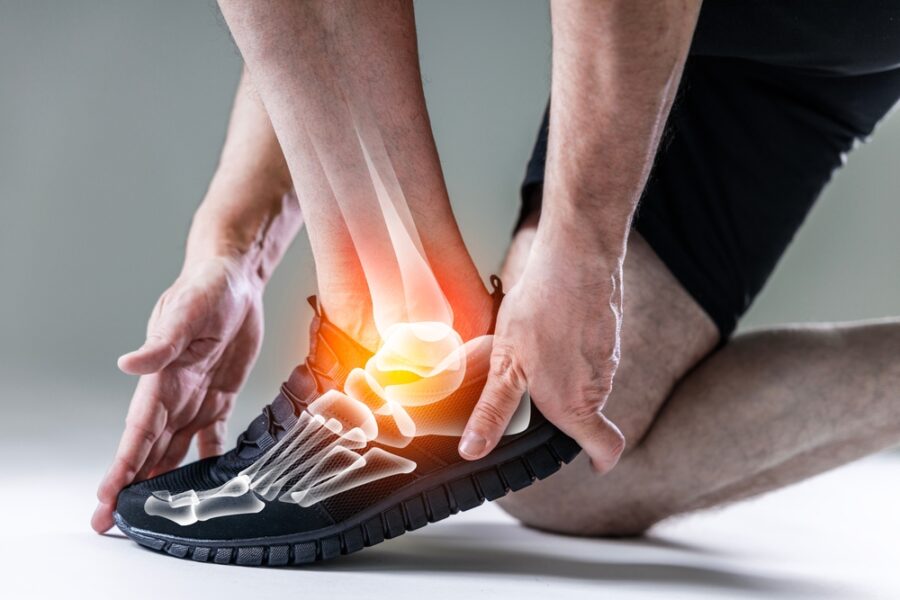
Do you have back pain and nothing seems to help? Have you thought about looking… at your feet? The link between foot support and the health of your spine is often underestimated. However, poor support can create imbalances that travel all the way up the body to your neck. This article explains how to choose your shoes properly and why it could transform your posture and your daily comfort.
Why Your Feet Influence Your Back
Our feet are the foundation of our body. Every step triggers a chain of mechanical adjustments. If the foundation is unstable, the entire structure suffers. Inadequate foot support can cause:
- Overuse of the lower back muscles
- Pelvic tilt
- Compensatory adjustments of the knees or hips
In clinical practice, it is not uncommon to find lower back pain linked to flat or collapsed feet. Studies also show that abnormalities in foot posture are associated with increased muscular tension in the lumbar region.
Poor Support = Guaranteed Pain: Warning Signs
Certain signs may indicate that your shoes are not suitable for you:
- Pain in the heels or under the arch of the foot
- Feeling fatigued after short walks
- Morning stiffness in the lower back
- Visible uneven wear on your shoe soles
If you recognize yourself in these signs, changing your shoes could be a first step towards lasting relief.
How to Choose Good Foot Support
Good foot support starts with proper shoes. Here are some key criteria:
- Firm sole: to absorb shocks and stabilize the foot
- Good arch: to support the plantar arch
- Low heel (<4 cm): to avoid pelvic tilt
- Solid heel counter: for better heel control
Avoid ballet flats, flip-flops, and overly soft shoes that provide no support. Consider trying your shoes at the end of the day, when your feet are slightly swollen.
When Custom Insoles Are Necessary
Sometimes even the best shoes are not enough. This is often the case if you:
- Suffer from plantar fasciitis
- Have very flat or very high arches
- Have a leg length discrepancy
In these situations, personalized orthopedic insoles can restore proper alignment and relieve your pain.
Adapting Foot Support for Every Life Stage
Children: Laying the Right Foundations from the Start
From the first steps, foot support plays a crucial role. Inadequate support can influence overall postural development. Poorly fitting shoes can lead to problems later on such as inward-turned knees or spinal imbalance. Early monitoring is therefore essential.
Teenagers: Supporting Growth to Prevent Imbalances
Puberty is accompanied by sometimes rapid and asymmetrical growth spurts. If the feet are not well supported, the risk of postural compensation increases. This can manifest as growing pains, muscle tension, or misalignment of the pelvis.
Adults: Beware of Work Habits and Dress Shoes
In adults, the winning combination for pain: sedentary lifestyle, stress, and unsuitable shoes. Working standing with overly soft insoles or sitting with rigid shoes can create pressure points and joint fatigue. Choosing stable, well-fitting work shoes is an effective preventive strategy.
Seniors: Support and Stability to Prevent Falls
With age, tissues weaken, reflexes slow down, and stability becomes a priority. Good foot support helps maintain balance and reduces the risk of falls. It also helps decrease joint pain related to wear or arthritis.
And What About Chiropractic? A Functional View of Foot Support
Personalized Posture Analysis
Your chiropractor doesn’t just look at your back. They observe your posture as a whole, including your foot support and walking pattern. This detailed analysis helps detect the underlying causes of your pain, often linked to poor alignment of the foot, knees, or hips.
Detection of Compensations
Inadequate support can lead to unconscious adjustments in your movement. Your chiropractor identifies these compensations which, over time, can tire your muscles and create joint pain. By correcting them, they help restore smoother body mechanics.
Shoe Recommendations and Interprofessional Collaboration
Your chiropractor can assess your foot support needs, but in some cases, will refer you to partners such as podiatrists. This network specialized in plantar posture analysis and custom insole design allows for precise and tailored care. Collaborative work with other professionals like physiotherapists or kinesiologists strengthens this approach. Together, they design a personalized care plan to optimize your recovery, maintain good postural alignment, and improve overall body function.
Integration of Targeted Exercises
In addition to adjustments, the chiropractor often recommends strengthening and balance exercises to support weakened structures. These active exercises are essential to prevent recurrence and reinforce the effects of treatments.
FAQ: Frequently Asked Questions about Foot Support
Do all back pains come from the feet?
No. But poorly supported feet can create or maintain an imbalance that affects the back.
Are insoles sold in pharmacies effective?
They may offer temporary comfort but are not tailored to your biomechanics. A personalized evaluation is always preferable.
Are minimalist shoes good for the back?
Not for everyone. They require gradual adaptation. Ask for advice before radically changing your style.
Your Feet Deserve Your Attention
Good foot support is not a luxury. It is a strategic choice for your spinal health. By consulting a chiropractor, you will receive a comprehensive analysis that will help you make the right choices, and your back will thank you.