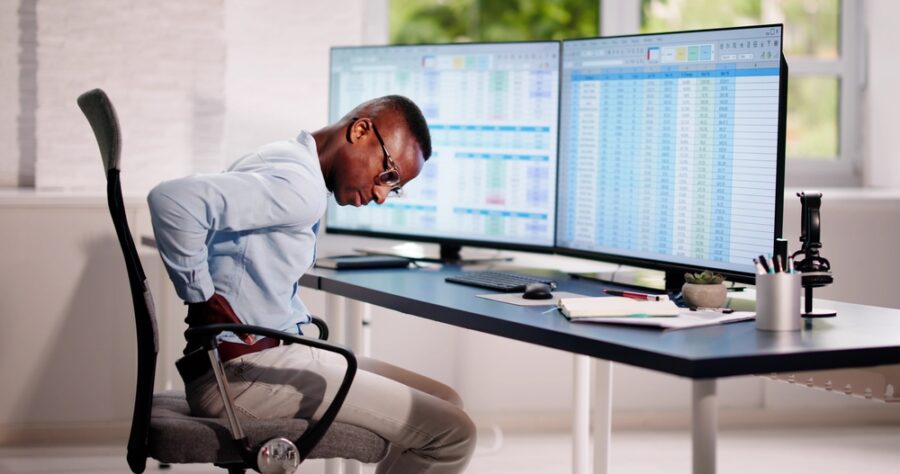
Lumbosciatica: A Result of Lower Back Pain and Sciatica
Lumbosciatica, also called lumbosciatic pain, is the combination of inflammation of the sciatic nerve with lower back pain. This extremely long nerve starts from the buttock and runs down the leg to innervate the foot, which explains the extent of the pain it causes. Unlike lower back pain alone, however, lumbosciatica causes pain that extends beyond the buttock and can reach the foot. Usually, lumbosciatica is caused by an underlying issue, which may be irritation of a nerve root caused by osteoarthritis of the spine or the presence of a herniated disc. Patients suffering from lumbosciatica experience pain in at least one leg. It is less common for both legs to be affected.
How Long Does It Take to Recover from Lumbosciatica?
The remission time for lumbosciatica varies from patient to patient and depends on the cause of symptoms. Nerve compression by a muscle can last from 2 to 4 weeks, while a herniated disc may last several months.
What Are the Symptoms of Lumbosciatica?
The most easily identifiable symptom of lumbosciatica is pain radiating from the lower back down to the calf. Some patients may also feel it down to the toes. Whether the patient is active or resting, this pain can be persistent, and during flare-ups, attempts to reduce it seem largely ineffective. In addition to pain, since the nerve may no longer be able to properly sense sensations, the leg, calf, and toes may feel numb or tingly. The affected patient may feel that the painful areas are weaker. In the most severe cases, walking can become difficult, and for some, even impossible.
In rare cases where pain occurs in both legs along with incontinence or loss of skin sensation in intimate areas, this is considered a medical emergency and you should go to a hospital emergency department.
What Can Cause Lumbosciatica?
Among the conditions that favor lumbosciatica, the formation of a herniated disc is the most common. The nucleus of the intervertebral disc protrudes from its original position, that is between two vertebrae, due to damage caused by a fall, an accident, or wear related to age and daily movements. The hernia can then compress a nerve root of the sciatic nerve, which leads to the symptoms described above. It may have been damaged in a fall, for example, or during an accident.
The canal located at the center of the spine may also abnormally narrow, for instance in diseases like osteoarthritis. This canal, called the spinal canal, normally provides passage for the lumbar nerves and the nerves of the cauda equina. When its diameter decreases, it can cause symptoms of lumbosciatica.
If osteoarthritis causes narrowing of the channels where the nerve roots lie on each side of the vertebrae, this is known as lateral foraminal stenosis. This phenomenon can also cause lumbosciatica symptoms.
These conditions generally appear with aging and premature joint wear, sedentary lifestyle, or a history of trauma (for example, having had a car accident).
Which Population Groups Are Most at Risk of Being Affected by Lumbosciatica?
Lumbosciatica more often affects people whose profession involves lifting heavy loads, those who sit for long hours in poor posture, or individuals living with a chronic disease such as osteoarthritis.
How Does the Chiropractor Diagnose Lumbosciatica?
The chiropractor is a professional who can manage the diagnosis, treatment, and follow-up of patients. To establish the diagnosis of lumbosciatica, the chiropractor starts with an evaluation of the patient’s medical history and checks what in their daily life may be affecting their back. They also assess the patient’s physical condition, back, and reflexes. If needed, imaging studies may be used. X-rays, for example, can help detect bone abnormalities in the spine. For soft tissues — that is, discs, ligaments, and muscles — magnetic resonance imaging (MRI) can provide very precise clues about possible problems. It is only after this that a personalized treatment plan can be developed.
Treatments Offered at Chiropractic Clinics for Lumbosciatica
The goal is to relieve the patient’s pain while also helping them regain mobility. To achieve this, the chiropractor uses manual therapy treatments to restore musculoskeletal dysfunctions.
They carefully target the affected areas to release tension, particularly by loosening tissues such as muscles. Their treatment promotes nerve decompression and a restoration of mobility in the lumbar region. Several sessions may be required for joint movement to be corrected and nerve function to be restored.
Additionally, it is important that the patient follows the chiropractor’s recommendations at home. These may include prescribed muscle strengthening exercises, cold or heat application to painful areas, or stretching.
Enhancing Overall Well-Being with the Chiropractor
The chiropractor relieves pain but can also contribute to maintaining mental well-being. Their care, focused on neuro-musculoskeletal health, makes them an ally for anyone suffering from chronic fatigue, stress, or sleep disorders. Chiropractic services are offered to patients of all ages and conditions. To learn more, it is possible to contact one of the ChiroRéseau chiropractic clinics.