Dead butt syndrome, also known as numb buttocks, may seem harmless but significantly impacts your daily well-being. Whether you are a sedentary adult, an occasional athlete, or simply seeking natural solutions for muscular and nerve pain, understanding the causes and symptoms of this syndrome is essential. Fortunately, chiropractic offers effective approaches to relieve and prevent this type of pain.
In this article, we will examine:
- What dead butt syndrome is.
- Its main causes and symptoms.
- How chiropractic can help treat it.
Exercises and practical advice to relieve your discomfort.
What is Dead Butt Syndrome?
Dead butt syndrome, or numb buttocks, occurs when the gluteal muscles lose activation or tone, affecting their optimal function. This condition is often linked to a sedentary lifestyle but also to muscular imbalances or nerve compression.
It may be associated with conditions such as:
- Piriformis syndrome: Compression of the sciatic nerve by the piriformis muscle.
- Sciatic nerve disorders: Irritations or compressions causing pain or numbness.
- Lumbosciatica: Pain radiating from the lower back to the buttock and down the leg. Learn more about lumbosciatica.
In short, dead butt syndrome is a multifactorial problem that requires a specialized evaluation to understand the underlying causes.
Symptoms of Dead Butt Syndrome
Symptoms vary in intensity but generally include:
- Localized pain: In the buttock, hip, lower back, and sometimes the thigh.
- Numbness and tingling: Sensations of pins and needles or loss of sensitivity in the affected areas.
- Muscle weakness: Decreased strength or inability to properly activate the gluteal muscles.
- Mobility issues: Difficulty standing up, walking, or performing movements involving the hips.
- Pain related to daily activities: Simple tasks like sitting, climbing stairs, or running can become uncomfortable.
These symptoms, although sometimes subtle, can cause physical compensations that increase the risk of injuries to the lower back, knees, or hips. Conditions such as iliotibial band syndrome, patellofemoral syndrome, or piriformis syndrome can result from dead butt syndrome, causing both pain and functional limitations.
Main Causes of Dead Butt Syndrome
Several factors can contribute to the onset of this syndrome. Common causes include:
1. Sedentary lifestyle
Spending long hours seated, whether at the office, during transport, or watching television, significantly reduces blood circulation and gluteal muscle activation. This leads to progressive muscle atrophy, making these muscles less effective and potentially causing pain in other body parts, such as the lower back.
2. Muscle imbalances
When hip flexors and lower back muscles are overused, they tend to “take over” from the glutes, inhibiting their activation. Over time, this can cause significant muscular imbalances, limiting overall lower body strength and stability and increasing the risk of injury.
3. Muscle weakness
A lack of specific gluteal muscle strengthening, often neglected in training routines, leads to functional weakness. This causes dysfunctional movements, such as poor load management or instability, especially during physical activities involving the lower body.
4. Poor posture
Adopting poor posture, whether standing or sitting, can deactivate the gluteal muscles. For example, sitting with a posterior pelvic tilt or standing while shifting all weight onto the legs without engaging the glutes often worsens the problem, contributing to chronic pain or muscle inefficiency.
5. Repetitive movements
Activities like running or exercises focused only on specific muscle groups (quadriceps, hamstrings) can lead to underuse of the glutes. If repetitive movements are not balanced with exercises directly targeting the gluteals, this can reduce their activation and limit their full potential.
6. Previous injuries
Recent or past trauma to the hips, lower back, or legs can alter alignment, posture, or gait. These often unconscious bodily compensations reduce gluteal efficiency and prolong muscle imbalance, making rehabilitation essential to restore their proper function.
Identifying the underlying cause(s) is a crucial step to effectively treating this syndrome.
How Chiropractic Can Help
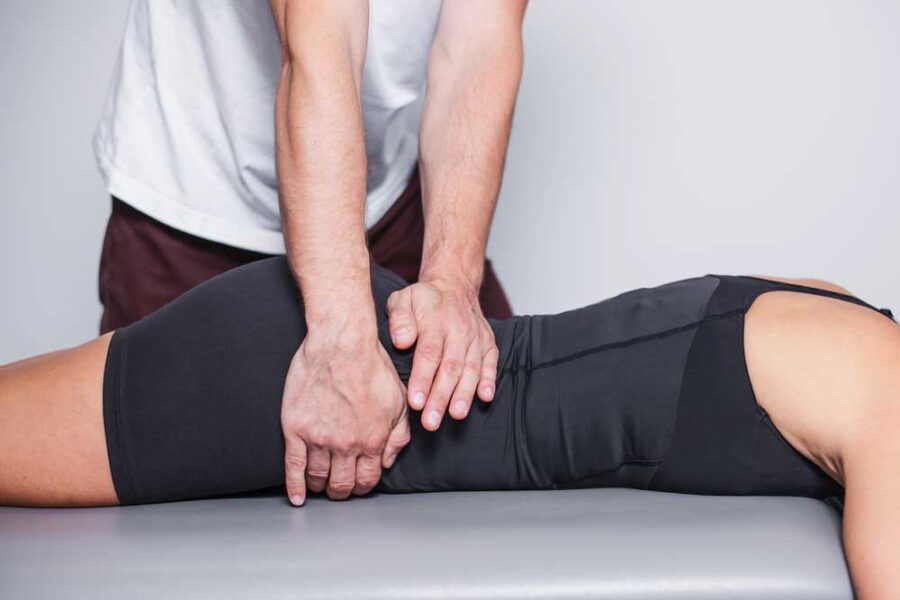
Chiropractic is a natural and non-invasive approach to treat dead butt syndrome. Here is how it can help you:
1. Personalized evaluation
The chiropractor performs an in-depth biomechanical and postural analysis to identify imbalances and areas to treat.
2. Manipulation techniques
Chiropractic adjustments help restore optimal alignment of the pelvis, hips, and spine, relieving tension and activating the gluteal muscles.
3. Muscle strengthening
Specific exercises prescribed by the chiropractor target the glutes directly to make them stronger and more functional.
4. Nerve management
By decompressing irritated nerves such as the sciatic nerve, chiropractic effectively reduces numbness and tingling.
5. Ergonomics and posture
The chiropractor provides practical advice to improve your positions at work and daily life, promoting continuous muscle activation.
You can learn more about chiropractic treatment for lower back pain in our dedicated article here.
Recommended Exercises for Prevention and Relief
Complementing chiropractic care, incorporating simple exercises to strengthen and activate the gluteal muscles is useful for maintaining balanced posture and preventing tension. These exercises also improve overall stability and strength. Here are some easy suggestions to include in your daily routine:
Stretches to relieve tension
- Piriformis stretch: Lie on your back, cross one leg over the other, and gently pull the leg toward your chest.
- Hip flexor stretch: In a lunge position, push the hips forward while keeping the back straight to release tension in the groin.
Muscle strengthening
- Glute bridges: Lie on your back, bend your knees, and push your hips up toward the ceiling while consciously activating your glutes.
- Walking with resistance band: Place an elastic band around your knees, then take about ten lateral steps on each side. Next, repeat the exercise alternating forward and backward movements.
- Clamshells: Lie on your side, slightly bend your knees, and open your legs while keeping your feet together.
Postures to correct
- Sitting posture: Keep your back straight with good lumbar support, feet flat on the floor, and avoid crossing your legs too often.
- Standing position: Maintain an upright posture and avoid shifting your weight onto one leg for prolonged periods.
These exercises, combined with chiropractic adjustments, can greatly improve your condition.
FAQ: Answers to Your Frequently Asked Questions
What is the difference between piriformis syndrome and dead butt syndrome?
Piriformis syndrome is caused by compression of the sciatic nerve by the piriformis muscle. Dead butt syndrome results from insufficient activation of the gluteal muscles. However, both can cause similar symptoms such as pain and numbness.
Can this syndrome disappear without treatment?
Without management, symptoms may not only persist but also worsen, as they are directly related to your current lifestyle habits. A precise diagnosis, coupled with an appropriate treatment plan, is essential to promote quick and effective recovery.
When should you consult a professional?
See a chiropractor if you experience persistent pain or numbness, movement limitations, or recurring sports injuries, especially if your daily activities or performance are affected.
Regain Your Comfort Through Chiropractic Care
Dead butt syndrome can significantly impair your quality of life if not treated promptly. But with proper management combining chiropractic care and targeted exercises, it is possible to effectively relieve symptoms and prevent relapse.
Don’t let this pain hinder your daily life. Book an appointment now with a clinic member of the ChiroRéseau network and explore the solutions that suit you best.
To learn more about treating musculoskeletal pain, feel free to consult our other educational articles here.